
Tactile Luxury: How to Bring the Outside Into Your Chicago Remodel
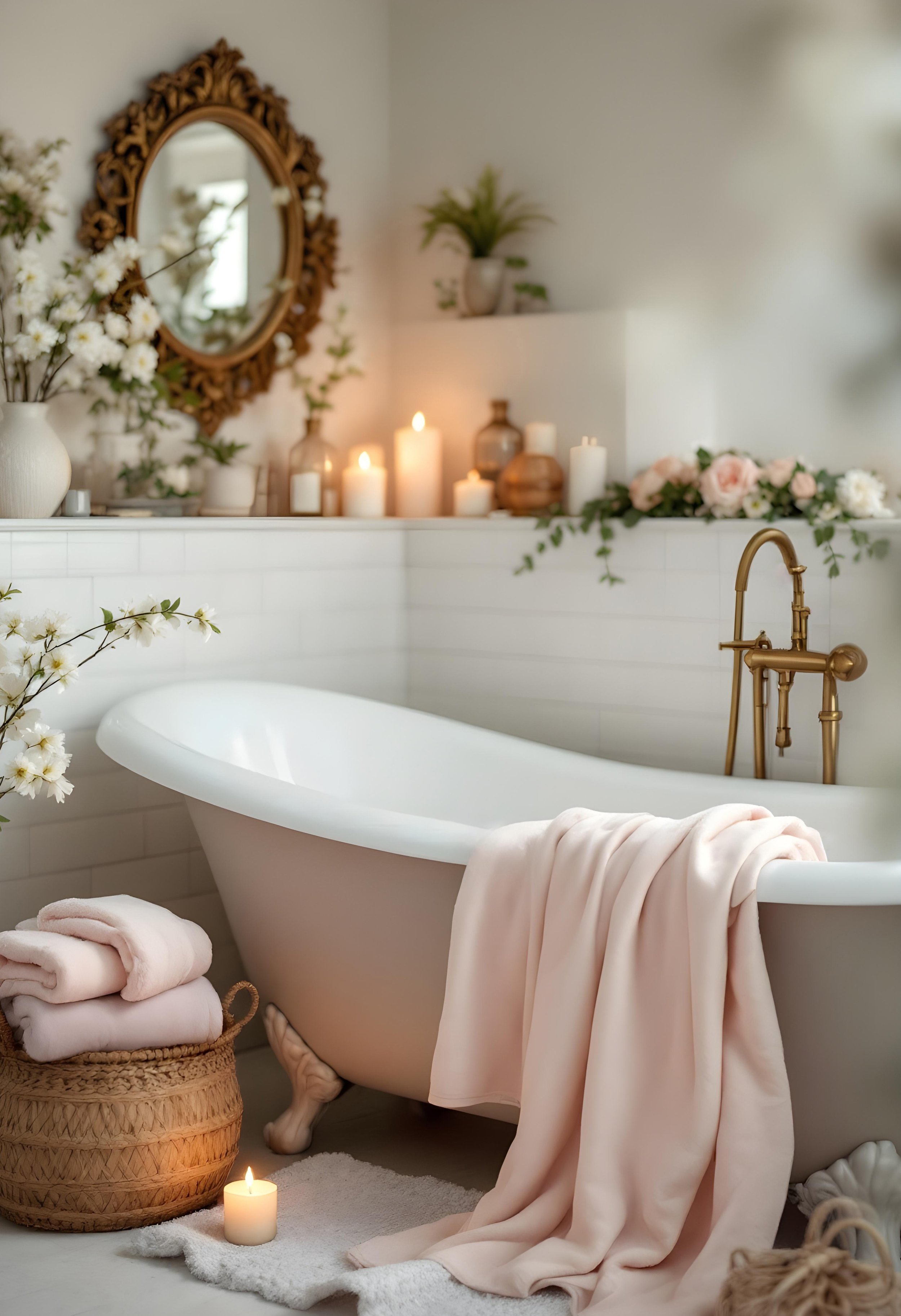
There is a distinct moment in a Chicago summer when the city completely transforms. After months of gray, industrial concrete and biting winds, July arrives, the lakefront turns a vivid blue, and the neighborhood canopies explode with deep, organic greens. It reminds us of something easily forgettable during long winters: humans are hardwired to be connected to the natural world.
Yet, for years, high-end interior design did the exact opposite. The prevailing trend in urban remodeling was flat, hyper-polished minimalism. Homes were filled with glossy lacquered plastics, cold faux-marble quartz, and ultra-smooth drywall. The result was spaces that felt more like pristine, sterile galleries than living, breathing environments.
A major cultural and architectural shift is now underway. Homeowners are completely moving away from flat, man-made materials. Instead, the industry is seeing a surge in demand for Tactile Luxury and Biophilic Design—a philosophy that goes far beyond just putting a potted plant in the corner. It’s about weaving the raw textures, organic irregularities, and grounding elements of nature directly into the structural bones of a home.
At Renovision Road, the belief is that a premium Chicago home remodeling project shouldn't just look expensive; it should feel substantial, grounded, and intensely human. Here is how this sensory evolution is taking shape across the city.
Understanding the Power of Touch: The Anti-Digital Home
Why is tactile luxury exploding right now? Because daily life is spent looking at glass screens and touching synthetic surfaces. When people come home, the brain craves an analog break. Biophilic design—when executed via heavy, authentic materials—has been scientifically proven to lower cortisol levels and reduce urban stress by up to 20%.
Luxury is now created through silhouettes, shadows, and surfaces that can be felt from across the room. Cold, stamped industrial products are being exchanged for finishes that embrace natural imperfections: the deep grain of white oak, the rugged cleft of authentic quartzite, and the hand-troweled sweep of natural plaster.
1. Chicago Kitchen Remodeling: The Return of Raw Earth
When it comes to a premium Chicago kitchen remodeling project, the island and the backsplash are the primary real estate for introducing natural drama. Instead of relying on uniform, manufactured engineered stones, top-tier designs are leaning heavily into materials with deep geological history.
Statement Stone & Matte Finishes: High-gloss countertops are taking a backseat to honed and leathered finishes. A leathered quartzite countertop retains its natural, undulating ridges and microscopic texture, meaning hands actually connect with raw stone. Incorporating these heavily veined, dramatic slabs with seamless backslashes that run all the way to the ceiling turns a wall into a piece of natural art.
| Feature | Tactile Luxury Choice | Standard Minimalist Choice | The Sensory Difference |
|---|---|---|---|
| Countertops | Leathered Quartzite | Polished Engineered Quartz | Retains microscopic ridges and an undulating texture that feels like raw earth, while hiding daily fingerprints completely. |
| Wall & Finishes | Hand-Troweled Microcement | Smooth Drywall & Large Tiles | Creates a completely seamless, grout-free surface that feels soft and warm under bare feet instead of cold and clinical. |
| Cabinetry Accents | Ribbed or Slatted White Oak | Flat-Panel High-Gloss Acrylic | Captures shifting daylight to create a play of light and shadow, mimicking the organic look of a forest canopy. |
Design Tip: When transitioning to tactile luxury, don't mix too many textures at once. Pick one hero material—like a dramatic leathered stone island—and let softer elements like matte walls and flat-grain wood cabinetry support it.
Ribbed Timber and Warm Architectural Wood: White shaker cabinets are increasingly replaced by flat-panel, book-matched European white oak or rich walnut. To elevate the biophilic connection, current designs frequently introduce ribbed or slatted timber details along the back of kitchen islands or pantry doors, creating a beautiful play of light and shadow throughout the day.
The Professional Indoor Ecosystem: Biophilia means functionality. For serious home cooks, integrated, under-cabinet vertical herb gardens equipped with specialized full-spectrum biological lighting are becoming a stellar choice. These systems blend seamlessly into custom cabinetry, allowing for year-round harvesting of fresh greens.
2. Chicago Bathroom Remodeling: The Monolithic Sanctuary
If there is one room where a person should feel completely grounded, it’s the primary bathroom. Modern Chicago bathroom remodeling has evolved into the creation of a "Recovery Suite." With the rise of the longevity movement, homeowners want the same recovery tools found in high-end athletic clubs right in their own primary suite.
The Rise of Microcement: One of the most requested materials in luxury design right now is microcement. This specialized, hand-applied coating allows for the creation of entirely seamless, grout-free environments. It can wrap bathroom floors, shower walls, and even custom-built floating vanities in a single, continuous, waterproof sweep of textured concrete, eliminating visual clutter.
Organic Silhouettes over Rigid Angles: Sharp, aggressive 90-degree corners are fading out. High-end designs feature custom walk-in showers with curved architectural entries, barrel-vaulted ceilings, and integrated bench seating that mimics natural rock formations to immediately soften boxy layouts.
Air-Purifying Moss Panels: For bathrooms that lack large windows or direct sunlight, traditional tropical plants will struggle. To bring the outdoors in, designers are turning to preserved, zero-maintenance structural moss walls. These panels require no watering or sunlight, yet they provide an incredible splash of forest texture and help absorb acoustic echoes.
3. Structural Integration: The Logistics of Heavy Materials
While bringing nature indoors sounds beautiful on paper, executing it in a city like Chicago requires serious structural foresight and technical expertise. Heavy stone slabs and microcement cannot simply be slapped into an older home without a plan.
Load-Bearing Calculations: Oversized, natural stone kitchen islands and monolithic concrete bathtubs add immense weight to a floor plan. In a historic timber loft in the West Loop or a classic wood-framed house in North Center, subfloors may require structural reinforcement before any material arrives. Evaluating the joists and structural layout early ensures a home can handle the physical weight of these design choices.
Managing the Seamless Flow: To make tactile luxury work, the transitions between materials must be flawless. Running a seamless microcement floor up to a raw hardwood plank requires precision leveling of the subfloor and master-level craftsmanship to ensure the textures meet perfectly level.
High-Rise Ventilation and Moisture Control: Integrating steam showers, living elements, or massive stone features into a downtown high-rise means working within the constraints of building-wide HVAC systems. Ensuring a biophilic bathroom has independent, high-performance exhaust paths and moisture-barrier membranes prevents hidden humidity issues behind walls.
Why Renovision Road is Your Strategic Partner
Building a home rooted in tactile luxury is a highly specialized craft. It requires an eye for detail, a deep respect for natural materials, and an absolute refusal to cut corners.
The No-Fluff Approach: Renovision Road provides honest, objective evaluations of a space. If a specific natural stone is too porous for a family's lifestyle, or if a structural wall can't handle a microcement wrap, the focus is on giving the facts straight up and providing an alternative that works.
Master-Level Trades: Partnering with the finest stone fabricators, plaster artisans, and finish carpenters in the Chicago area is key. These professionals understand how wood expands in humid summers and contracts in freezing winters, ensuring an investment lasts for decades.
Flawless Project Management: Handling the tight condo delivery windows, city permit reviews, and material staging ensures that the actual remodeling journey feels just as calm as the finished space.
Ready to bring natural texture, warmth, and soul back into your living space? Contact Renovision Road today to schedule your architectural design consultation, and let’s start your high-performance remodeling project.
Frequently Asked Questions
-
Honed or leathered natural stones do require a bit more mindfulness than engineered plastic quartz, but they are far from high-maintenance. Applying commercial-grade, invisible penetrative sealers to natural stone installations protects against staining. Because the surfaces are matte and textured, they actually hide daily fingerprints, water spots, and dust significantly better than a high-gloss countertop.
-
Microcement is incredibly durable and flexible because it is polymer-modified, meaning it handles the natural shifting and thermal expansion of a home much better than traditional rigid concrete. However, the key to longevity is proper subfloor preparation. Installing specialized anti-fracture mesh beneath the finish layer isolates it from structural movement, ensuring a flawless, crack-free surface.
-
Yes, but the light must be managed. Many downtown condo windows are heavily tinted to block UV rays, which can inadvertently starve real plants of the specific light spectrum they need to grow. For high-rise environments, the best choices are either premium preserved moss installations (which require zero light or water) or integrating architectural pendant grow lights.
-
Chicago home remodeling refers to the physical act of changing, tearing down, or rebuilding a structural space. Biophilic design is the specific philosophy used to guide those structural changes—ensuring that the new layout, lighting, air flow, and materials actively connect the human occupants to natural patterns.
-
Yes, provided the right engineering and finishes are selected. If you want a natural wood grain look, utilizing rift-sawn or quarter-sawn hardwoods—which are cut specifically to resist warping or cupping when humidity shifts—is essential.
However, if you are going for a smooth, painted contemporary look, Premium Moisture-Resistant MDF (MR MDF) is an exceptional choice. Unlike cheap standard fiberboard, premium MR MDF is infused with specialized waterproof resins and wax additives under intense pressure. Because it possesses no natural grain structure, it remains completely stable in high humidity, ensuring your seamless paint or lacquer finishes never warp, swell, or crack at the structural joints.