
The Future of Kitchen Surfaces: What California’s Quartz Ban Means for Homeowners
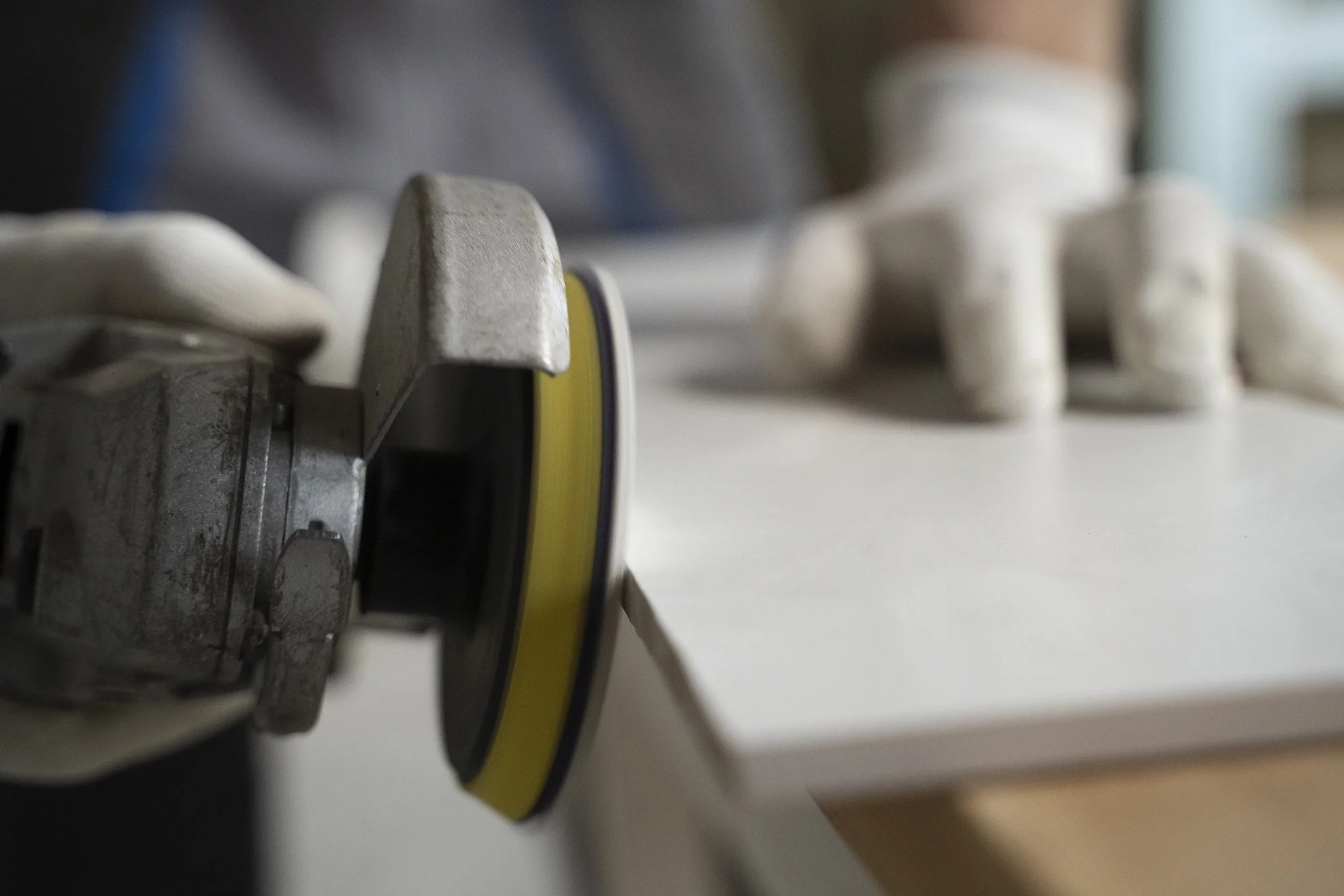
In recent weeks, headline news out of California regarding proposed emergency rules to ban high-silica artificial stone countertops has sent ripples through the residential design community.
As engineered quartz has been the dominant kitchen surface across North America for over a decade, news of regulatory bans naturally raises urgent questions for homeowners currently planning a kitchen renovation—as well as those who already have quartz installed in their homes.
At Renovision Road, we believe exceptional design requires a deep understanding of material science, ethical sourcing, and practical performance. Here is a clear, factual breakdown of what is happening, why installed quartz in your home is entirely safe, and where kitchen surface design is heading next.
Planning a structural kitchen overhaul? Explore our architectural guide to Opening Up Chicago Floor Plans & Wall Removal or review our custom approach to Chef's Kitchens & Custom Millwork Storage.
1. What Is Behind the California Regulations?
The regulatory action in California targets occupational safety during fabrication, specifically regarding silicosis—a serious respiratory illness affecting trade workers who cut and shape raw slabs.
Traditional engineered quartz is manufactured by bonding roughly 85% to 93% crushed quartz (which contains high concentrations of crystalline silica) with polymer resins. When these slabs are cut, profiled, or ground in fabrication shops using dry methods without dust-suppression or specialized respiratory gear, microscopic silica dust becomes airborne.
State regulators and health authorities are moving toward strict bans on high-silica artificial stone (products exceeding 1% crystalline silica) to force the industry toward wet-cutting technologies and low-silica alternatives that protect fabrication craftsmen.
2. Do You Need to Worry If You Already Have Quartz in Your Kitchen?
In a word: No.
If your home already features engineered quartz countertops, there is absolutely zero cause for alarm. The health risks associated with crystalline silica are strictly occupational—affecting workers during the active dry-cutting process in raw fabrication environments.
Once a quartz slab is manufactured, polished, sealed, and installed on your cabinetry, the silica particles are permanently bound inside a solid, stable resin matrix.
Zero Off-Gassing: Installed engineered stone is chemically stable and inert.
No Airborne Particles: It does not produce dust, shed particles, or degrade over time.
Food-Safe & Non-Porous: It remains completely non-porous, stain-resistant, and hygienic for everyday cooking and family life.
The only scenario where silica dust could become a factor in a residential setting is if an unqualified installer attempted to dry-cut or grind the slab directly inside your house without water-fed tools or HEPA vacuum extraction—a practice strictly prohibited by professional architectural contractors.
3. Modern Alternatives to Traditional Quartz
As the industry evolves, homeowners have more tactile, low-silica, and natural options than ever before. Here is how modern surface materials compare across performance, safety, and aesthetics:
A. Natural Quartzite (Natural Stone)
Not to be confused with engineered quartz, natural quartzite is a metamorphic rock quarried directly from the earth.
Pros: 100% natural stone; dramatic, organic veining resembling marble; exceptional heat resistance; completely safe fabrication profile under standard stone protocols.
Cons: Requires periodic sealing (typically once a year); higher material cost; natural variations mean no two slabs are identical.
Architectural Fit: High-end primary kitchens where organic depth, authenticity, and natural stone movement are central to the design brief.
B. Porcelain Slabs & Sintered Stone
Sintered stone (such as Dekton or Neolith) and large-format porcelain slabs are manufactured by fusing natural minerals under extreme heat and pressure without resins.
Pros: Ultra-low-to-zero silica content; impervious to heat, burns, and direct sunlight (UV stable); highly scratch and stain resistant; non-porous with zero sealing required.
Cons: Requires specialized fabrication tools and certified installers to handle slab tension during cutting; edge profiles can be more limited.
Architectural Fit: High-performance chef's kitchens, indoor-outdoor entertaining spaces, and sleek, minimalist modern aesthetic designs.
C. Low-Silica Engineered Stone (<1%–30% Silica)
Next-generation manufactured slabs that replace crushed quartz with recycled glass, bio-resins, and alternative mineral conglomerates.
Pros: Mimics the exact non-porous performance, stain resistance, and uniform patterning of traditional quartz while drastically reducing shop fabrication risks.
Cons: Still an emerging category with fewer colorways currently on the market compared to decade-old quartz lines.
Architectural Fit: Ideal for homeowners who love the predictable consistency and easy maintenance of engineered stone but want an ethically manufactured product.
D. Natural Soapstone & Marble
Classic natural stones that offer unmatched patina and historic charm.
Pros: Soapstone is completely non-porous and chemically inert; marble offers legendary softness and depth for pastry prep and classic architectural aesthetic.
Cons: Soapstone darkens over time and scratches easily (though simple to sand out); marble is porous and prone to etching from acidic foods like lemons and wine.
Architectural Fit: Historic Chicago home restorations, butler’s pantries, and warm, tactile kitchen retreats.
4. Kitchen Surface Material Comparison
When selecting countertop surfaces for a primary kitchen overhaul, comparing silica profiles alongside practical daily performance helps narrow down the ideal material for your lifestyle.
While traditional quartz defined the last decade of kitchen remodeling, modern low-silica engineered stone, natural quartzite, and sintered porcelain slabs offer equal or superior durability with safer fabrication footprints and richer tactile qualities.
5. Navigating the Next Era of Kitchen Design
The evolution of countertop manufacturing marks a positive turning point for the residential design industry. Rather than limiting options, this shift is accelerating the adoption of richer, more tactile, and environmentally responsible materials—from hand-selected natural quartzite slabs to ultra-durable sintered stone.
By partnering with an architectural design-build team that prioritizes material science, local code compliance, and ethical trade practices, you can curate a high-performance kitchen that delivers lasting beauty without compromising on safety or craft.
Ready to curate elevated, high-performance materials for your kitchen renovation? Contact the Renovision Road team today to schedule your architectural design consultation, and let's craft a space that balances beauty, safety, and longevity.
Frequently Asked Questions
-
No. Regulators are primarily targeting high-silica fabrication methods and pushing for stricter shop safety and lower-silica standards. Leading surface manufacturers are already shifting production to low-silica formulations.
-
No. Installed quartz is completely solid, non-porous, and poses zero health or environmental risk to you or your family in daily life.
-
Porcelain slabs, sintered stone, and next-generation low-silica engineered stone offer equal or superior durability with ultra-low silica profiles.