The Ultimate Guide to High-Rise Condo Remodeling in Chicago
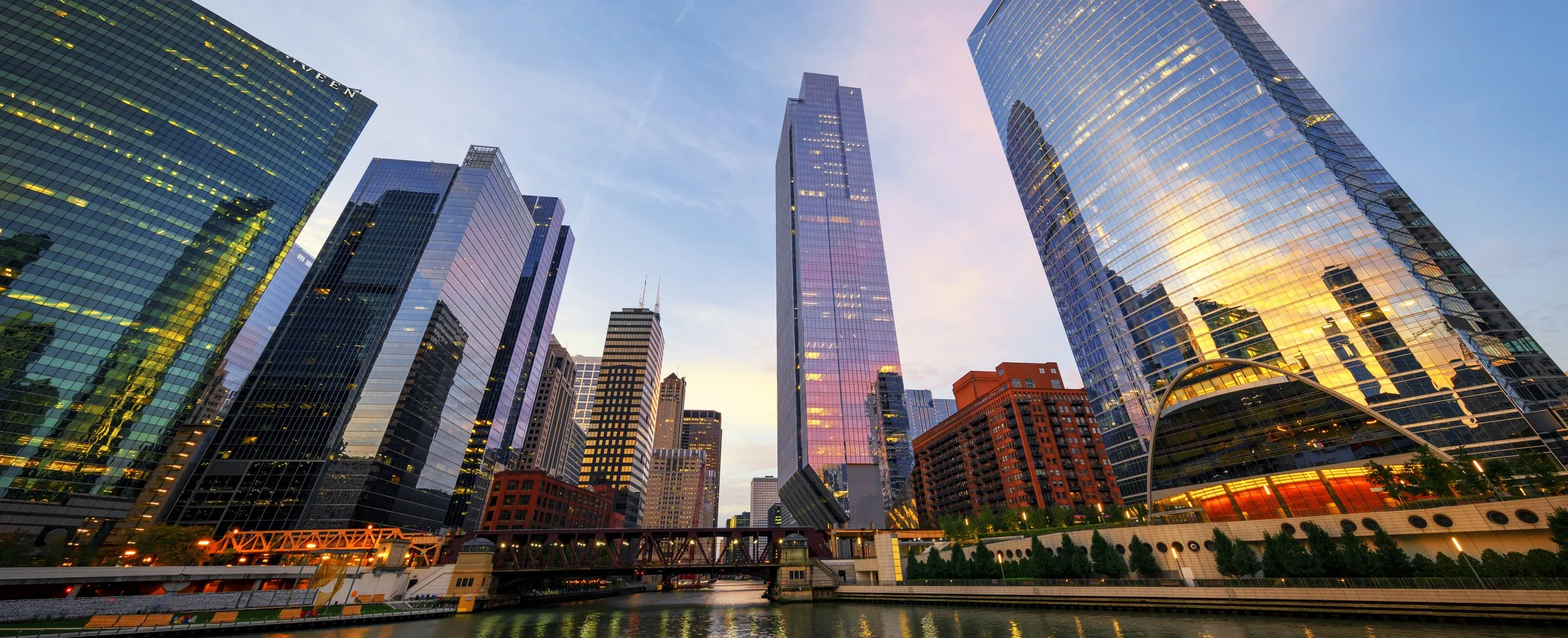
Transforming a high-rise condo in the heart of Chicago—whether it’s a vintage Gold Coast beauty, a sleek modern unit in the Loop, or a spacious home in Streeterville—is an exhilarating journey. However, as any seasoned Chicagoan knows, renovating twenty stories up is a completely different ballgame than remodeling a bungalow in Ravenswood.
At Renovision Road, we believe your home should be a reflection of your lifestyle, but getting there requires a specialized roadmap. From navigating the "vertical city" logistics to understanding the nuances of Chicago’s building codes, a successful high-rise remodel is built on a foundation of expert planning and local expertise.
Why High-Rise Remodeling is a Unique Beast
When you live in a multi-unit building, your "castle" is connected to a complex web of shared systems. You aren't just managing your own four walls; you’re managing relationships with neighbors, the HOA board, and the building’s engineering staff.
The "Design-Forward" approach popular in Chicago right now emphasizes transparency and technical foresight. Before you pick out that Carrara marble or those custom rift-sawn oak cabinets, you have to understand the "hidden" constraints of your building.
Navigating the "Big Three" Condo Constraints
To remodel like a pro, you have to respect the architecture of the building. Most Chicago high-rises present three specific challenges:
1. The Vertical Plumbing Stack
In a single-family home, you can usually move a toilet or a sink anywhere if you’re willing to cut into the floor. In a Chicago condo, you are tied to the "stack." These are the vertical pipes that run from the penthouse to the basement.
The Rule: You generally cannot move "wet" areas (kitchens and baths) far from the existing stack.
The Hack: We can use creative soffits or raised floor sections to gain a few feet of movement, but keeping your layout close to the original footprint is the best way to keep your budget in check.
2. Structural Columns and Post-Tension Slabs
Many modern Chicago towers use post-tensioned concrete. This means there are high-tension steel cables inside your floor and ceiling. You cannot simply drill into them to move electrical conduits or recessed lighting without an X-ray of the slab.
Expert Tip: Work with the existing structural columns rather than trying to hide them. Many clients are opting to strip these columns down to raw concrete for an industrial-chic aesthetic.
3. The HOA "Handbook"
Your building’s Declaration and Rules (the "remodeler's bible") will dictate everything from the type of underlayment required for soundproofing to the specific hours the service elevator is available. At Renovision Road, we dive into these documents before the first hammer swings to ensure your project doesn't get shut down on day two.
Strategic Planning: Kitchens and Baths
In the Chicago market of 2026, the highest ROI (Return on Investment) remains focused on the "wet rooms." However, the trends have shifted toward High-Utility Luxury.
1. Kitchen Renovation: The Social Hub
Because condo kitchens are often visible from the front door, they need to be showpieces.
Integrated Appliances: Concealed refrigerators and dishwashers create a seamless look that makes small spaces feel larger.
Induction Cooking: Many Chicago high-rises are moving away from gas for safety and environmental reasons. Induction is faster, safer, and easier to clean.
Smart Storage: In a condo, every inch counts. We specialize in "blind corner" pull-outs and toe-kick drawers that utilize every cubic centimeter of your cabinetry.
2. Bathroom Remodeling: The Urban Oasis
With the city's fast pace, the bathroom has become a sanctuary.
Wet Rooms: Combining the shower and a soaking tub behind a single glass partition is the top trend in Chicago right now.
Wall-Hung Toilets: These save floor space and make cleaning a breeze—perfect for tighter condo footprints.
Heated Floors: A must-have for those brutal Chicago winters!
The Logistics of the "Skyward" Remodel
One of the biggest differences between a house and a condo remodel is the logistical overhead. If a contractor isn't experienced in high-rise work, your project will bleed time and money.
Elevator Coordination: You can’t just park a dumpster in the driveway or dense city street. We coordinate with your building manager to reserve the freight elevator as far in advance as necessary for your building.
Loading Dock Management: Deliveries must be timed perfectly. If the cabinet truck arrives ten minutes late, they might lose their slot, delaying the project by days.
Debris Removal: Everything that comes out of your unit must be bagged, hauled down the service elevator, and removed immediately. There is no "staging area" in a high-rise hallway.
Floor Protection: We don’t just protect your unit; we protect the building’s common areas. Masonite board and "sticky-mat" runners are non-negotiable to keep your neighbors and board members happy.
Navigating Chicago Permits (The Right Way)
The City of Chicago Department of Buildings has specific paths for condo renovations. Depending on the scope, you may fall under:
Easy Permit Process: For simple repairs and replacements (like-for-like) that don't involve structural changes.
Standard Plan Review: For most kitchen and bath remodels that involve moving walls or updating plumbing/electrical layouts.
Self-Certification: A faster track for experienced architects to certify that their plans meet city code.
Renovision Road handles the entire bureaucratic headache. We ensure your plans are stamped, your permits are posted, and your inspections are passed without the usual city-hall drama.
Why Choose Renovision Road?
We aren't just general contractors; we are your advocates in the sky. Our process is designed to minimize the friction of urban living.
Transparency: We provide clear, honest communication about what is possible within your specific building's constraints.
Neighbor Relations: We know that you have to live next to your neighbors long after we’re gone. We prioritize dust mitigation and noise control to keep the peace in your hallway.
Design Continuity: We help you choose finishes that reflect the "Chicago Aesthetic"—a blend of historic warmth and modern clean lines.
Logistical Expertise: From dock reservations to plumbing shut-offs, we manage the building staff relationships so you don't have to.
Final Thoughts: Investing in Your Chicago Future
A condo renovation is more than just an aesthetic upgrade; it’s an investment in your quality of life. Whether you are prepping a unit for sale in the competitive West Loop market or customizing your "forever" home overlooking the lake, the right partner makes all the difference.
Ready to elevate your living space? Let’s turn your high-rise vision into a reality. Contact Renovision Road today to schedule your initial consultation and let’s start planning your dream Chicago condo today!
Frequently Asked Questions
-
Most Chicago high-rises have a "Sound Transmission Class" (STC) or "Impact Insulation Class" (IIC) rating requirement. This usually means you’ll need a specific thickness of cork or rubber underlayment beneath your hardwood or tile to prevent noise from traveling to the unit below. We check your building’s bylaws to ensure your flooring meets these specs.
-
In many Chicago concrete-frame buildings, interior walls are non-structural and can be removed. However, these walls often hide "risers" (electrical conduits or plumbing vents) that serve the units above you. We perform a "probing" phase to see what’s inside the walls before we finalize your design.
-
If your unit doesn't currently have a washer/dryer, adding one is the #1 way to increase its value. However, it requires a "wet tap" for water and a way to vent the dryer (or the use of a ventless heat-pump dryer). We can evaluate your unit’s plumbing capacity to see if your building board will approve the addition.
-
While the "Easy Permit" can sometimes be acquired in a matter of days, a standard kitchen or bath remodel involving architectural drawings typically takes 4 to 8 weeks for city approval. We recommend starting the permit process as early as possible to avoid delaying your start date.
-
The "High-Rise Tax" comes down to labor efficiency. In a house, a worker can walk from their truck to the kitchen in thirty seconds. In a high-rise, they have to park, sign in, wait for the freight elevator, and haul tools through hallways. We account for this "lost time" in our scheduling so there are no surprises in your final bill.